Featured
Table of Contents
If you're regreting, remember this: your pain mirrors the deepness of your connection. It's not something to "overcome" but rather to move through, bring your love and memories ahead into a life that, while for life altered, can still hold definition and joy.
Sorrow is a natural emotional feedback to loss. Regreting is a procedure that can assist you concern terms with a loss, such as when a loved one dies. Every person experiences sorrow in a different way. Your experience of despair and how you manage it will depend upon various elements. These may include your age, previous experiences with sorrow and your spiritual or religious sights.
Awaiting despair suggests feeling sad prior to the loss takes place. As opposed to regreting for the person, who is still with you, you might really feel despair for the important things you will not reach do together in the future. When facing a significant loss, such as the death of a liked one, it is all-natural to really feel several strong feelings.
People detected with an incurable disease and those dealing with the fatality of a liked one might experience anticipatory grief., you may experience lots of emotions consisting of shock, worry and unhappiness.
Self-Compassion for Perfectionists
You regret shed opportunities or experiences you'll miss even tiny ones, such as the enjoyment of the sunshine or a warm cup of coffee. If somebody you like is dealing with an incurable disease, it prevails to experience awaiting grief in the months, weeks and days prior to fatality. You might grieve the very same points your loved one is mourning, or various losses entirely.
You might really feel that the person you recognized is currently gone, also if they are still literally there. If your enjoyed one has a decrease in physical health and wellness or mobility, you might feel anticipatory sorrow as you shed the opportunity to share experiences, such as leisure activities, holidays or events.
This is specifically real if you spend a whole lot of time taking care of the person. You might miss tasks you used to take pleasure in with each other and feel despair regarding the adjustment in your relationship. The nature of your relationship may change as you tackle a carer's duty, or end up being the one being cared for.
Sensations of pain before death are regular it's important to recognise them, and to chat about them. Experiencing anticipatory sorrow does not always mean that you will certainly grieve your enjoyed one any type of much less after they are gone.
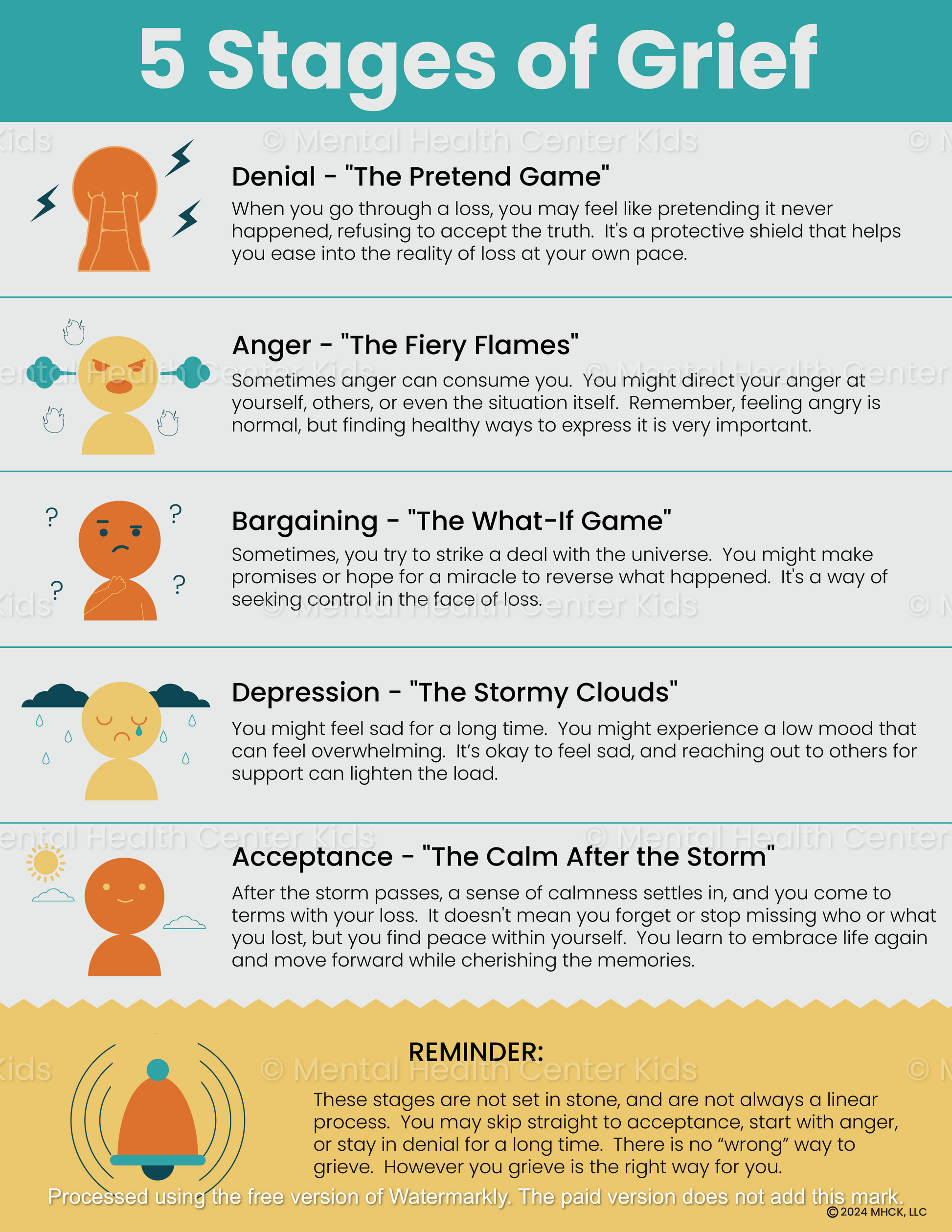
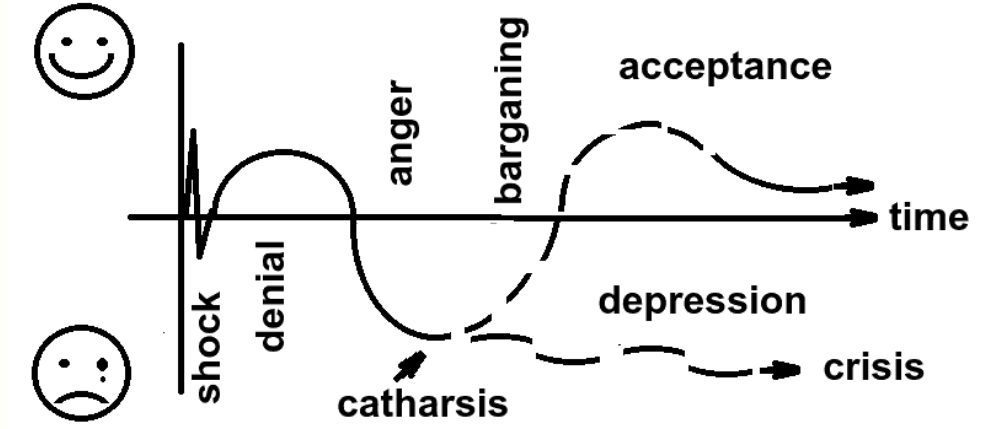
Individuals discuss the 5 phases of grief as: rejection temper negotiating anxiety acceptance. Actually, we do not experience sensations of grief one by one or in a certain order. We understand that there are no arrange that everybody undergoes. You might experience these points because they are all regular sensations of pain.
It's normal to feel various other things as well, such as shock, stress and anxiety, exhaustion, or guilt. Some individuals feel numb after the death of an individual they cared about. They might even attempt to continue as though absolutely nothing has actually occurred. If you experience this, maybe due to the fact that it's simply also unsubstantiated that the individual you know so well is not returning.
When Successful Professionals Experience Inner Peace Issues
Maybe they assure themselves that they will now constantly do (or not do) something, believing that it could make the individual that has passed away come back. Or possibly they think it will quit any person else passing away or various other negative points taking place. This is occasionally called 'enchanting reasoning'. People might likewise find that they keep returning over the past and ask great deals of 'what if' concerns, desiring that they could go back and change points to make sure that they could have ended up in different ways.
These sensations can be really intense and excruciating, and they might reoccur over lots of months or years. A lot of individuals find that uncomfortable feelings like this come to be less solid over time. If you do not feel this holds true for you, after that you ought to request help.
Her design became commonly approved as a method to comprehend sorrow, however in time, despair counsellors and scientists increased upon it, leading to the development of the. This extensive design integrates added emotional responses that people might experience: The preliminary response to loss commonly brings shock and disbelief. This phase functions as a safety system, enabling us to soak up the reality of our loss in convenient doses.
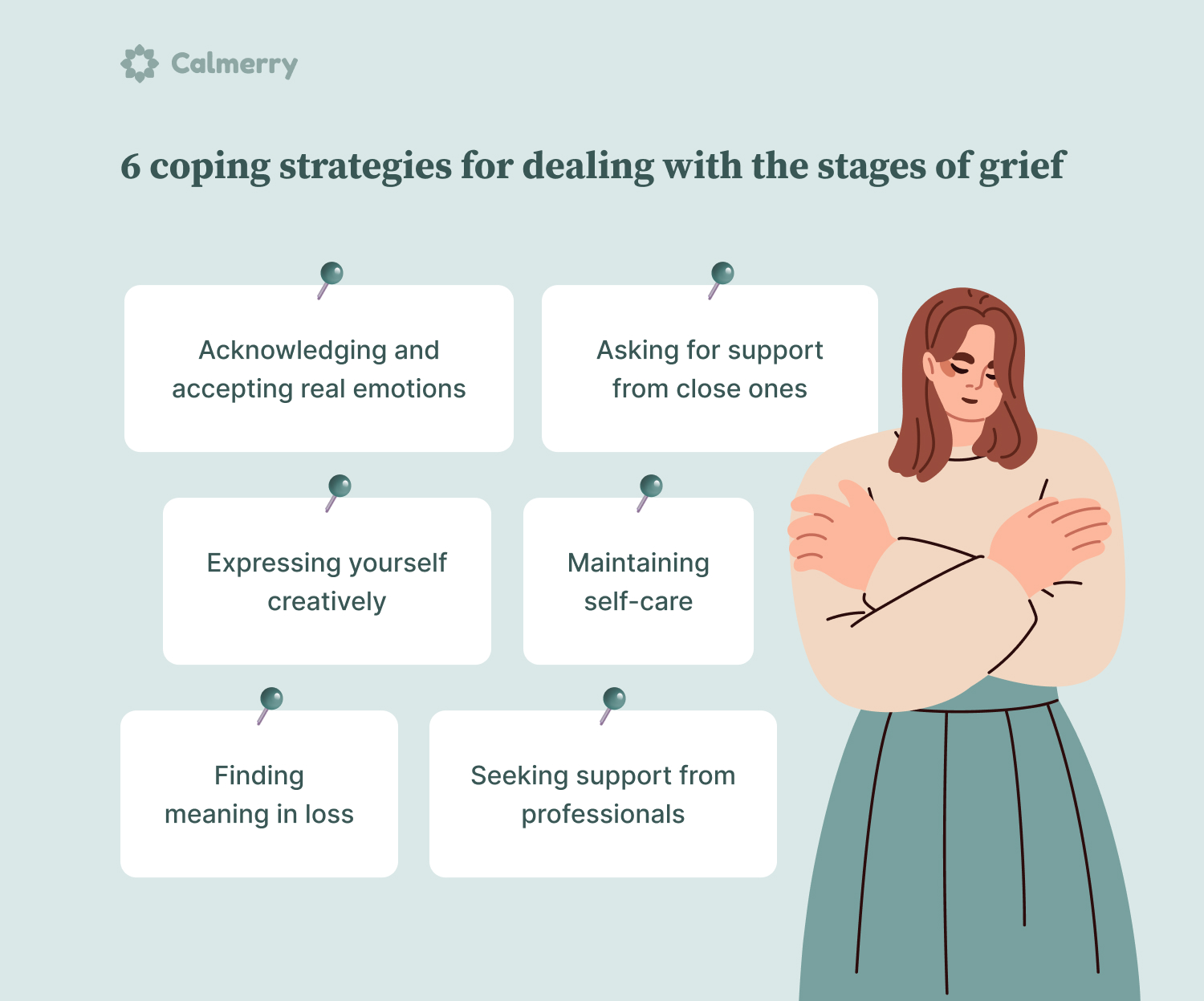
As the shock fades, deep emotional discomfort embed in. Sensations of remorse or shame may arisewondering if you might have done something in different ways, or sensation sadness over things left unspoken. It's important to recognize these feelings instead of reduce them. Pain can show up as angertoward yourself, others, or perhaps the individual who has actually passed.

Latest Posts
Raising Children across Cross-Cultural Households
Identifying Boundary Traits
Holistic Healing at Psilocybin-Assisted Psychotherapy